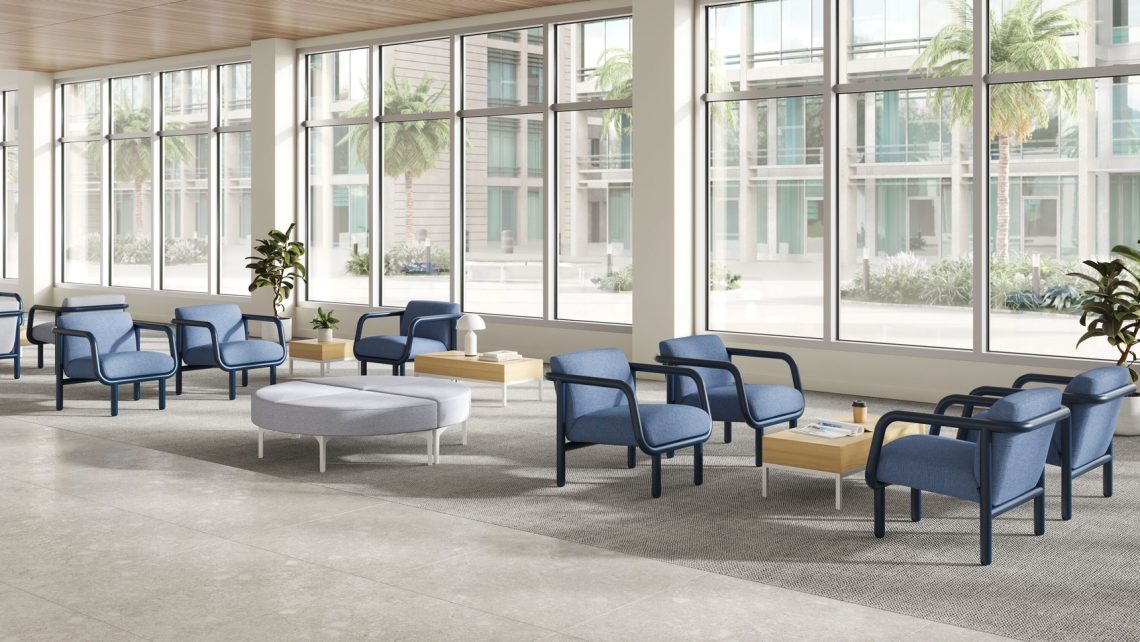
A well-organized medical practice directly supports patient care and staff productivity. Custom clinic furniture provides a powerful tool to achieve this, moving beyond standard layouts to create spaces that function intelligently.
Properly planned design addresses workflow bottlenecks, improves patient experience, and maximizes the utility of every square foot. For practices requiring bespoke solutions, exploring custom clinic furniture UAE offers a direct path to realizing these efficient medical environments.
Streamlined Reception and Waiting Areas:
The first impression sets the tone. A custom reception desk can integrate discrete check-in kiosks, concealed document scanners, and organized storage for patient forms, cutting down on clutter and queue times.
In waiting zones, built-in seating with individual charging stations and subtle partitions gives patients personal space. Incorporating wall-mounted educational displays or interactive screens into millwork keeps the area tidy and informative, reducing anxiety and perceived wait times.
Optimized Consultation Rooms:
Consultation rooms benefit greatly from custom-built cabinetry. A wall-unit combining a fold-down writing desk, closed storage for samples, and open shelves for reference texts keeps the room functional yet uncluttered.
A strategically designed desk can position monitors for easy sharing with patients while housing computers and cables out of sight. This intentional organization allows the physician to focus on the consultation without disruptive searching.
High-Functioning Examination Rooms:
Efficiency in examination rooms hinges on accessibility. Custom modular cabinetry creates a designated home for every instrument, from otoscopes to blood pressure cuffs.
Pull-out work surfaces at varying heights accommodate different procedures. A mobile procedure cart, customized with specific tray inserts and waste disposal units, can move between rooms as needed, reducing duplicate equipment and simplifying sterilization protocols.
Versatile Staff and Utility Zones:
Staff areas require durable, smart furniture. A custom nurses’ station might include lockable medication storage, a dedicated handwashing sink alcove, and task lighting for paperwork.
In utility rooms, built-in shelving systems designed for specific supply sizes prevent overstocking and simplify inventory checks. A centralized documentation hub with individual, sound-dampened carrels gives administrative staff a quiet place to work.
Material and Ergonomic Considerations:
Selecting appropriate materials ensures longevity and supports hygiene. Surfaces should resist stains and tolerate frequent cleaning with strong disinfectants. Ergonomic design for staff chairs and adjustable-height stools is a sound investment in team wellbeing, directly impacting productivity and reducing fatigue.